Online WIC’s next big step: Nationwide access

Klay Fennell
Head of Government, Regulatory, and External Affairs

Online WIC has so far been limited to pilots in certain states and tribal nations with selected retail partners. That’s changing.
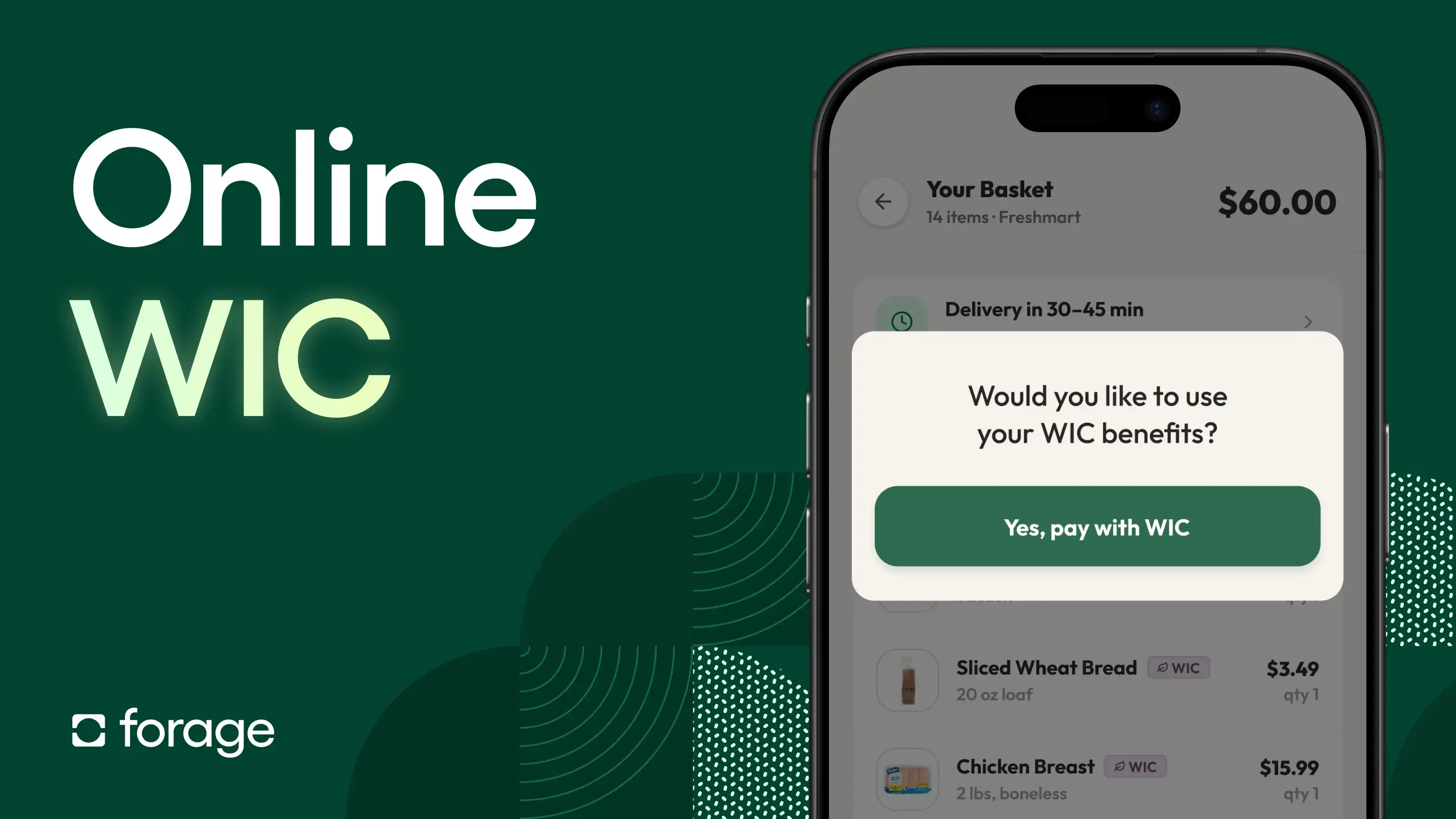
Once it takes effect, USDA’s upcoming rule change will open the door to online WIC nationwide, giving more families the option to use their benefits to shop and pay for groceries online.
Federal rules have generally required WIC shoppers to complete their purchases in person with a cashier. Removing that requirement will establish a permanent basis for online WIC across the country, allowing it to expand beyond today’s limited pilots. USDA’s explanation
For families, that means more flexibility to get nutritious food around work schedules, childcare and transportation challenges. For a parent with a newborn, a caregiver without reliable transportation or a family far from a grocery store, online shopping can make benefits easier to use.
For retailers, it creates an opportunity to reach new customers and better serve families who already shop with them. Bringing WIC into online grocery shopping will give those households more choice about where and how they shop, and help retailers serve more of their everyday grocery needs.
Ten things to know about WIC and WIC shoppers
WIC focuses on pregnancy and early childhood. The Special Supplemental Nutrition Program for Women, Infants, and Children helps eligible pregnant women, mothers after childbirth, babies and children under five get the nutrition they need. USDA
It serves millions of people. In June 2026, WIC reached approximately 6.7 million participants, including 5.2 million babies and young children. USDA’s monthly data
It supports substantial grocery purchases. USDA reported approximately $482 million in WIC food costs in June 2026 alone. USDA’s monthly data
Working families can qualify. For July 2026 through June 2027, the federal income guideline for a family of four is $61,050 a year in the contiguous United States. Income is one part of eligibility. USDA’s 2026–27 guidelines
The shopper isn’t always the mother. Fathers, grandparents, foster parents and other caregivers can obtain WIC benefits for eligible children in their care. Understanding WIC shoppers means thinking about the whole family. Washington State Department of Health
WIC benefits cover specific nutritious foods. Benefits are tailored to a participant’s age and needs, with foods such as fruits and vegetables, milk, eggs, whole grains, beans and infant foods. USDA
WIC covers part of a family’s grocery needs. It supplements a household’s food budget, so a WIC shopping trip may also include groceries purchased with other funds. Connecticut Department of Public Health
Families can receive both WIC and food assistance through SNAP. WIC and the Supplemental Nutrition Assistance Program are separate programs; eligible households can use both to help feed their families. Missouri Department of Health and Senior Services
Benefits have an expiration date. WIC food benefits are issued monthly, and unused benefits do not roll over. Making shopping more accessible can help families use their benefits before they expire. Connecticut Department of Public Health
WIC provides more than groceries. Families also receive nutrition education, breastfeeding support and connections to health and community services. Making nutritious food easier to obtain supports that broader investment in family health. USDA
Participation and food-cost figures use USDA’s preliminary June 2026 data, the latest available as of October 15, 2026.

Online WIC’s next big step: Nationwide access
Klay Fennell
Head of Government, Regulatory, and External Affairs
Online WIC has so far been limited to pilots in certain states and tribal nations with selected retail partners. That’s changing.
Once it takes effect, USDA’s upcoming rule change will open the door to online WIC nationwide, giving more families the option to use their benefits to shop and pay for groceries online.
Federal rules have generally required WIC shoppers to complete their purchases in person with a cashier. Removing that requirement will establish a permanent basis for online WIC across the country, allowing it to expand beyond today’s limited pilots. USDA’s explanation
For families, that means more flexibility to get nutritious food around work schedules, childcare and transportation challenges. For a parent with a newborn, a caregiver without reliable transportation or a family far from a grocery store, online shopping can make benefits easier to use.
For retailers, it creates an opportunity to reach new customers and better serve families who already shop with them. Bringing WIC into online grocery shopping will give those households more choice about where and how they shop, and help retailers serve more of their everyday grocery needs.
Ten things to know about WIC and WIC shoppers
WIC focuses on pregnancy and early childhood. The Special Supplemental Nutrition Program for Women, Infants, and Children helps eligible pregnant women, mothers after childbirth, babies and children under five get the nutrition they need. USDA
It serves millions of people. In June 2026, WIC reached approximately 6.7 million participants, including 5.2 million babies and young children. USDA’s monthly data
It supports substantial grocery purchases. USDA reported approximately $482 million in WIC food costs in June 2026 alone. USDA’s monthly data
Working families can qualify. For July 2026 through June 2027, the federal income guideline for a family of four is $61,050 a year in the contiguous United States. Income is one part of eligibility. USDA’s 2026–27 guidelines
The shopper isn’t always the mother. Fathers, grandparents, foster parents and other caregivers can obtain WIC benefits for eligible children in their care. Understanding WIC shoppers means thinking about the whole family. Washington State Department of Health
WIC benefits cover specific nutritious foods. Benefits are tailored to a participant’s age and needs, with foods such as fruits and vegetables, milk, eggs, whole grains, beans and infant foods. USDA
WIC covers part of a family’s grocery needs. It supplements a household’s food budget, so a WIC shopping trip may also include groceries purchased with other funds. Connecticut Department of Public Health
Families can receive both WIC and food assistance through SNAP. WIC and the Supplemental Nutrition Assistance Program are separate programs; eligible households can use both to help feed their families. Missouri Department of Health and Senior Services
Benefits have an expiration date. WIC food benefits are issued monthly, and unused benefits do not roll over. Making shopping more accessible can help families use their benefits before they expire. Connecticut Department of Public Health
WIC provides more than groceries. Families also receive nutrition education, breastfeeding support and connections to health and community services. Making nutritious food easier to obtain supports that broader investment in family health. USDA
Participation and food-cost figures use USDA’s preliminary June 2026 data, the latest available as of October 15, 2026.
Begin accepting SNAP EBT and EBT Cash
Learn how Forage unlocks new revenue streams for merchants of all shapes and sizes.





Begin accepting SNAP EBT and EBT Cash
Learn how Forage unlocks new revenue streams for merchants of all shapes and sizes.
Begin accepting SNAP EBT and EBT Cash
Learn how Forage unlocks new revenue streams for merchants of all shapes and sizes.
Begin accepting SNAP EBT and EBT Cash
Learn how Forage unlocks new revenue streams for merchants of all shapes and sizes.
Begin accepting SNAP EBT and EBT Cash
Learn how Forage unlocks new revenue streams for merchants of all shapes and sizes.
Begin accepting SNAP EBT and EBT Cash
Learn how Forage unlocks new revenue streams for merchants of all shapes and sizes.
Begin accepting SNAP EBT and EBT Cash
Learn how Forage unlocks new revenue streams for merchants of all shapes and sizes.
Forage is equal opportunity. ©️ 2026 Forage Technology Corporation, Inc.
Forage is equal opportunity. ©️ 2026 Forage Technology Corporation, Inc.
Forage is equal opportunity. ©️ 2026 Forage Technology Corporation, Inc.
Forage is equal opportunity. ©️ 2026 Forage Technology Corporation, Inc.
Forage is equal opportunity. ©️ 2026 Forage Technology Corporation, Inc.
Forage is equal opportunity. ©️ 2026 Forage Technology Corporation, Inc.
Forage is equal opportunity. ©️ 2026 Forage Technology Corporation, Inc.