November policy update: Affordability is the agenda

Klay Fennell
Head of Government, Regulatory, and External Affairs

Voters sent a clear signal on November 3rd. Food costs and affordability dominated the midterms.
That signal is already shaping policy at the local, state and federal level. For retailers and platforms that serve people receiving SNAP, here is what that means: the shoppers you serve are the shoppers policymakers say they want to help.
What voters said
About 9 in 10 voters called the cost of living a crucial or major factor in their vote for Congress, according to the AP Voter Poll. About half called high prices crucial. About 4 in 10 named the economy as the top issue facing the country, and AP reported that voters expressed alarm over the cost of gas and food.
The pressure ran deepest for lower-income voters. Echelon Insights found that by April, voters earning under $75,000 were at an all-time high in naming cost of living as the top issue.
No poll can pin a result on one cause. Candidates, party loyalty and local issues all mattered. But affordability was the common thread across regions and parties.
Where policy is heading
Affordability is now the frame for planning at every level of government. The proposals vary, but the goal is the same: help families stretch their grocery budgets.
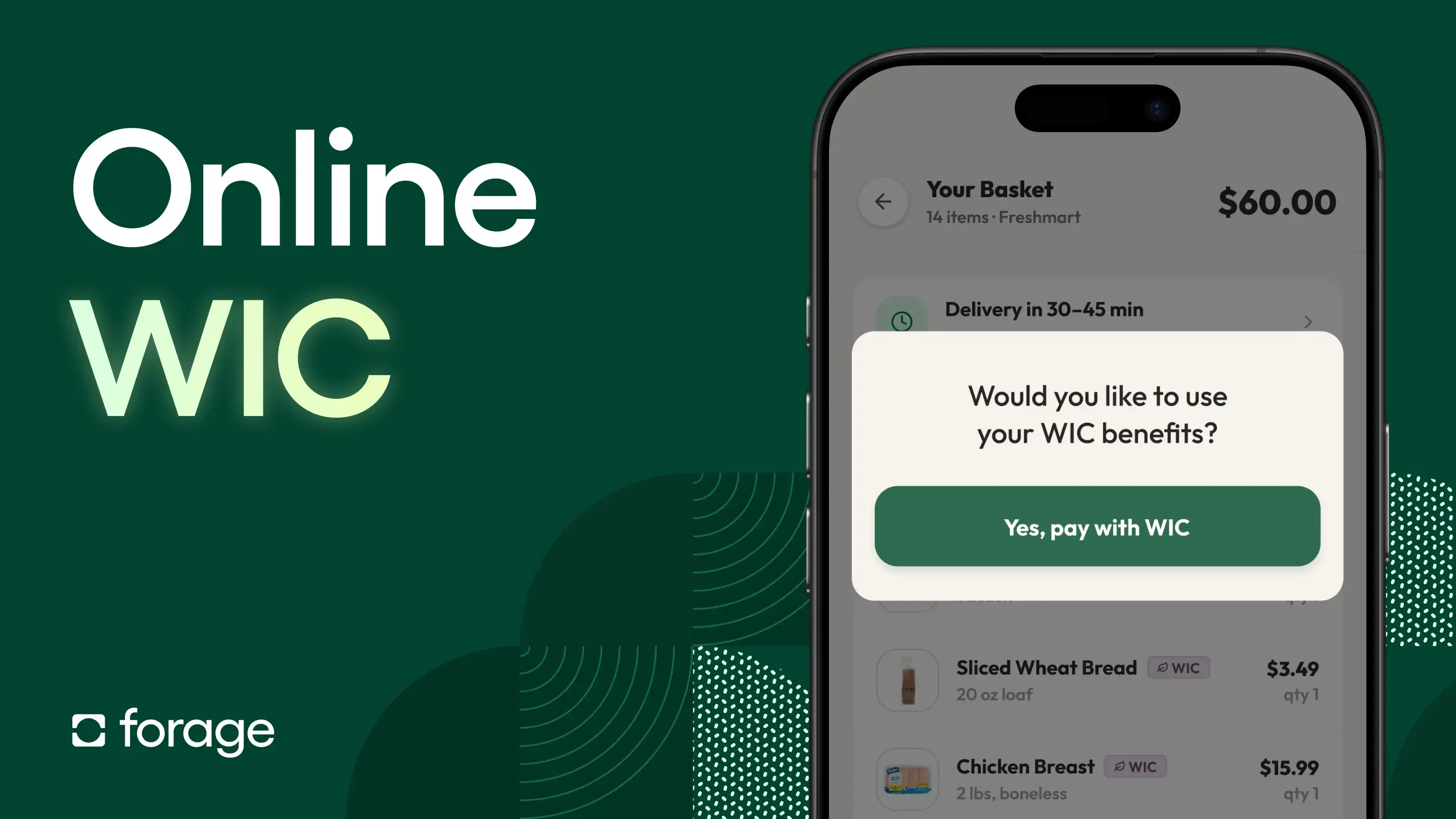
Federal. House Democratic Leader Hakeem Jeffries says tackling high prices will be a priority in January, and several incoming senators pledged to protect SNAP and WIC, NPR reports. Power will be divided, with Democrats leading Congress and the President holding the veto. That points to negotiation, not sudden change. The farm bill is still in play during the lame duck, and SNAP is part of that conversation. On Dec. 7, the WIC online final rule takes effect, letting every state offer WIC online permanently.
State. Several governors-elect ran on grocery costs. In Georgia, Keisha Lance Bottoms proposed letting local governments suspend sales taxes on groceries, baby formula and diapers. States also now carry more of the cost of running SNAP. That raises the value of tools that cut friction and errors for the agencies that run it.
Local. Local governments are trying practical fixes. Albuquerque temporarily waives permitting fees for markets that sell healthy, affordable food in underserved neighborhoods, and New Mexico Governor-elect Deb Haaland said the state would explore a similar approach.
What it means for retailers and platforms
Policy will keep moving, but the goal is not in dispute. Leaders in both parties say they want food to be more affordable, and people receiving SNAP are at the center of that goal. Retailers and platforms that serve them are part of the answer.
Three things hold true.
Demand is steady. SNAP remains the nation's largest food assistance program. Millions of families use it to buy groceries every month.
Change comes with notice. Rules move through proposals, comment periods and effective dates. Partners get time to plan.
Access is the shared goal. The proposals above aim to make food easier to afford and to reach. Partners that make SNAP easy to use are already doing that work.
Where Forage fits
Forage tracks SNAP and WIC online policy at the federal, state and local level and shares what we learn with our partners. We read the rules, talk with the agencies and lawmakers who write them, and translate each change into what it means at checkout.
The Forage App, announced in this issue, is one way we are putting that same focus to work for shoppers and partners.
Affordability is the agenda. Retailers and platforms that serve people receiving SNAP help deliver it every day.
Sources
AP Voter Poll coverage: midterm verdict on the economy (Nov. 5) and early takeaways (Nov. 4)
Echelon Insights, The Cost of Living Election (Nov. 6)
NPR, Democrats won big. Can they lower your grocery bill? (Nov. 9)
FNA, WIC online final rule, as summarized in the Forage Weekly SNAP Policy Landscape Brief (Nov. 13)
Forage does not endorse candidates or parties.

November policy update: Affordability is the agenda
Klay Fennell
Head of Government, Regulatory, and External Affairs
Voters sent a clear signal on November 3rd. Food costs and affordability dominated the midterms.
That signal is already shaping policy at the local, state and federal level. For retailers and platforms that serve people receiving SNAP, here is what that means: the shoppers you serve are the shoppers policymakers say they want to help.
What voters said
About 9 in 10 voters called the cost of living a crucial or major factor in their vote for Congress, according to the AP Voter Poll. About half called high prices crucial. About 4 in 10 named the economy as the top issue facing the country, and AP reported that voters expressed alarm over the cost of gas and food.
The pressure ran deepest for lower-income voters. Echelon Insights found that by April, voters earning under $75,000 were at an all-time high in naming cost of living as the top issue.
No poll can pin a result on one cause. Candidates, party loyalty and local issues all mattered. But affordability was the common thread across regions and parties.
Where policy is heading
Affordability is now the frame for planning at every level of government. The proposals vary, but the goal is the same: help families stretch their grocery budgets.
Federal. House Democratic Leader Hakeem Jeffries says tackling high prices will be a priority in January, and several incoming senators pledged to protect SNAP and WIC, NPR reports. Power will be divided, with Democrats leading Congress and the President holding the veto. That points to negotiation, not sudden change. The farm bill is still in play during the lame duck, and SNAP is part of that conversation. On Dec. 7, the WIC online final rule takes effect, letting every state offer WIC online permanently.
State. Several governors-elect ran on grocery costs. In Georgia, Keisha Lance Bottoms proposed letting local governments suspend sales taxes on groceries, baby formula and diapers. States also now carry more of the cost of running SNAP. That raises the value of tools that cut friction and errors for the agencies that run it.
Local. Local governments are trying practical fixes. Albuquerque temporarily waives permitting fees for markets that sell healthy, affordable food in underserved neighborhoods, and New Mexico Governor-elect Deb Haaland said the state would explore a similar approach.
What it means for retailers and platforms
Policy will keep moving, but the goal is not in dispute. Leaders in both parties say they want food to be more affordable, and people receiving SNAP are at the center of that goal. Retailers and platforms that serve them are part of the answer.
Three things hold true.
Demand is steady. SNAP remains the nation's largest food assistance program. Millions of families use it to buy groceries every month.
Change comes with notice. Rules move through proposals, comment periods and effective dates. Partners get time to plan.
Access is the shared goal. The proposals above aim to make food easier to afford and to reach. Partners that make SNAP easy to use are already doing that work.
Where Forage fits
Forage tracks SNAP and WIC online policy at the federal, state and local level and shares what we learn with our partners. We read the rules, talk with the agencies and lawmakers who write them, and translate each change into what it means at checkout.
The Forage App, announced in this issue, is one way we are putting that same focus to work for shoppers and partners.
Affordability is the agenda. Retailers and platforms that serve people receiving SNAP help deliver it every day.
Sources
AP Voter Poll coverage: midterm verdict on the economy (Nov. 5) and early takeaways (Nov. 4)
Echelon Insights, The Cost of Living Election (Nov. 6)
NPR, Democrats won big. Can they lower your grocery bill? (Nov. 9)
FNA, WIC online final rule, as summarized in the Forage Weekly SNAP Policy Landscape Brief (Nov. 13)
Forage does not endorse candidates or parties.
Begin accepting SNAP EBT and EBT Cash
Learn how Forage unlocks new revenue streams for merchants of all shapes and sizes.










Begin accepting SNAP EBT and EBT Cash
Learn how Forage unlocks new revenue streams for merchants of all shapes and sizes.
Begin accepting SNAP EBT and EBT Cash
Learn how Forage unlocks new revenue streams for merchants of all shapes and sizes.
Begin accepting SNAP EBT and EBT Cash
Learn how Forage unlocks new revenue streams for merchants of all shapes and sizes.
Begin accepting SNAP EBT and EBT Cash
Learn how Forage unlocks new revenue streams for merchants of all shapes and sizes.
Begin accepting SNAP EBT and EBT Cash
Learn how Forage unlocks new revenue streams for merchants of all shapes and sizes.
Begin accepting SNAP EBT and EBT Cash
Learn how Forage unlocks new revenue streams for merchants of all shapes and sizes.
Forage is equal opportunity. ©️ 2026 Forage Technology Corporation, Inc.
Forage is equal opportunity. ©️ 2026 Forage Technology Corporation, Inc.
Forage is equal opportunity. ©️ 2026 Forage Technology Corporation, Inc.
Forage is equal opportunity. ©️ 2026 Forage Technology Corporation, Inc.
Forage is equal opportunity. ©️ 2026 Forage Technology Corporation, Inc.
Forage is equal opportunity. ©️ 2026 Forage Technology Corporation, Inc.
Forage is equal opportunity. ©️ 2026 Forage Technology Corporation, Inc.